


Product Introduction
Theoretically, the greater the ratio of solvent to material, the higher the subcritical extraction efficiency. In the industrial production process, the cost is generally controlled between 1:1-1.5:1. The subcritical extraction process is a process of relative diffusion of molecules. Moderate stirring can increase the thorough mixing of the solvent and the material, reduce the external diffusion resistance during extraction, and make the concentration of the extraction system diffuse in the direction of the solvent that is conducive to the diffusion of fat-soluble components in the solid material into the liquid.
Increasing the extraction temperature can increase the movement speed of molecules, thereby increasing the diffusion speed, but too high a temperature will cause the inactivation of the active ingredients. Therefore, the temperature must be controlled within a certain temperature and can be controlled arbitrarily during the production process. There is a positive correlation between excitation and temperature, and the subcritical extraction pressure increases with the increase of extraction temperature.
The higher the pressure, the faster the extraction. According to different raw materials, reasonable extraction time and times are obtained through orthogonal experiments. In the actual production process, the extraction efficiency is improved through the countercurrent extraction process between tank groups. Days in utilizing subcritical fluid extraction.
why choose us
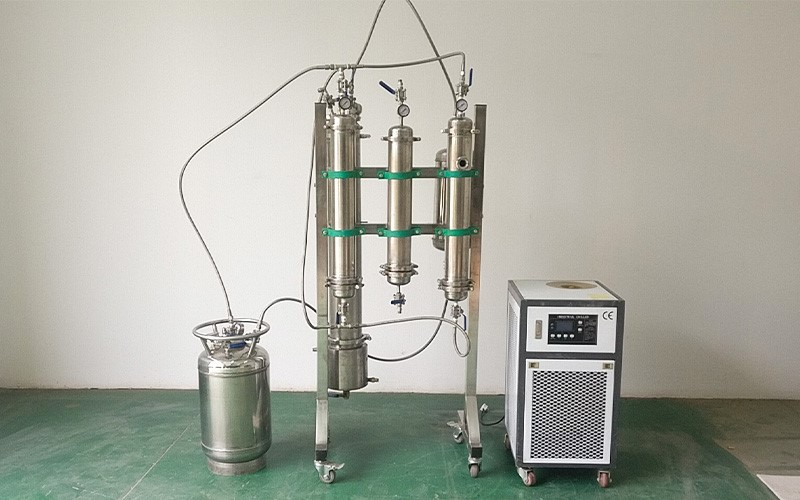
However, during the process of extracting active ingredients from animals and plants, the cavitation effect of ultrasonic waves reduces the external diffusion resistance of extraction and shortens the extraction time, thereby improving extraction efficiency, increasing corresponding output, and reducing costs. Practice shows that introducing ultrasonic assisted technology in subcritical extraction has great advantages.
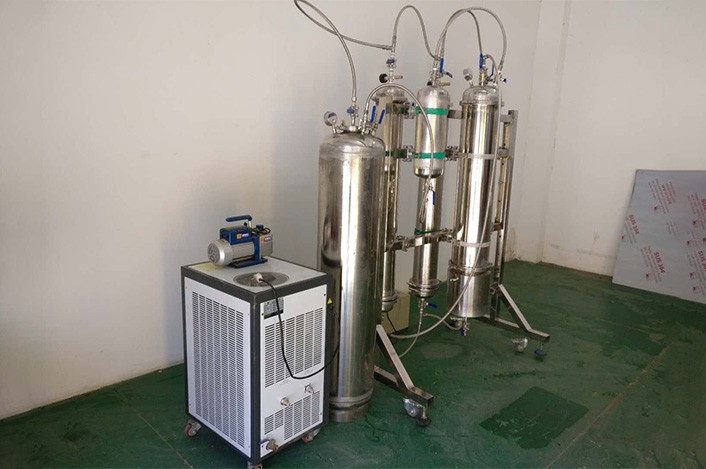
Subcritical fluid extraction technology is based on the special properties of subcritical fluids and the principle of similar compatibility of organic matter. The material is placed in the extraction tank, and the subcritical solvent is injected for countercurrent extraction. Subcritical extraction equipment has a wide range of applications.
1. Application in the production of precious oils and fats
Traditional edible production mainly uses n-hexane extraction process. n-hexane is desolvated at high temperatures, and many valuable active ingredients in vegetable oils are destroyed by heat. The application of subcritical butane extraction process not only ensures that the heat-sensitive components in the extracted oil are not destroyed, but also ensures that the plants in the meal
The stability of ingredients such as protein and protein fully utilizes the value of the product.
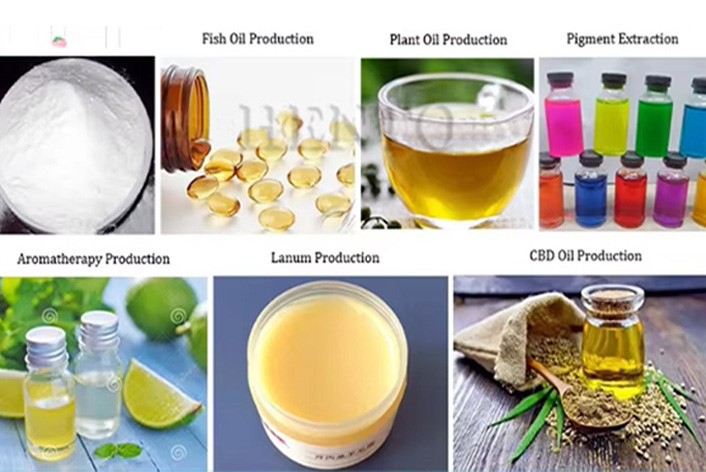
2. Application in the extraction and production of plant pigments.
Traditionally, plant fat-soluble pigments are extracted with hexane solvent, and water-soluble pigments are extracted with water or ethanol, both of which require heating and desolvation, which affects product quality. Subcritical extraction of propane, butane, dimethyl ether and their mixed solvents has great technical advantages. For example, in the production of marigold lutein, more than a dozen sets of subcritical extraction equipment production lines have been put into production.
3. Application in extraction and production of plant essential oils
The components of plant essential oils are mostly fat-soluble compounds. Fresh and moist flowers, stems and leaves can be extracted subcritically with butane and propane to obtain extracts. At present, materials that have been industrialized and mass-produced include rose, vegetable rosemary, agarwood, sandalwood, thuja, etc.
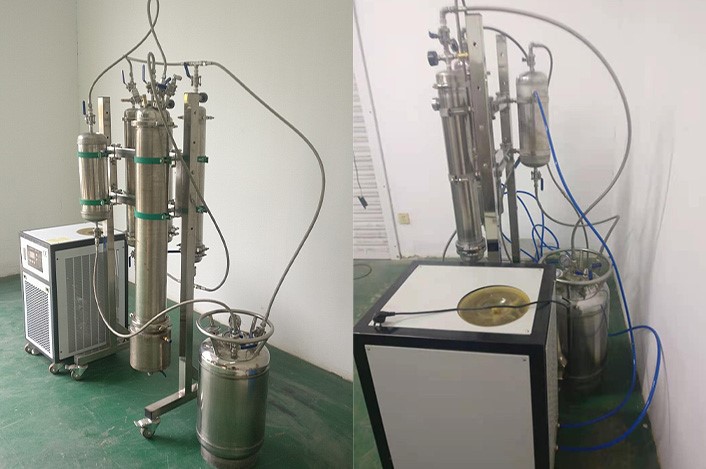
Application in the production of plant flavor extracts
Extract essential oils, oleoresins, absolute oils of spices, such as peppercorns, pepper, cinnamon, cinnamon, cloves, fennel and fat-soluble components of compound spices.
FAQ
Q: What's the MOQ?
Q: Can the machine be customized?
Q: What's the payment term?
Q: How to ship?
Q: Which port do you send the goods from?
Q: How long is the warranty of the machine?
Q: How to buy this machine?
Q: What about the package?
Q: Do you need a supplier to provide transportation?
Q: Are there any requirements for power supply?
Q: What about Pre-sale service:
Q: What about After-sales service?


