


Dairy Processing Machinery
Zhengzhou Hento Machinery Company, is a technology-based enterprise, which has been focusing on r&d, manufacturing and sale of intelligent food machines and other related machines. It was officially established in 2013 and it belongs to Hento Group. The group dates back to 1998.
Why Choose Us?
Rich experience
We has extensive expertise and experience in designing, producing, and installing food machines. They can provide valuable insights and advice on the types of machines best suited for one's business needs.
Quality products
Our food machinery usually uses high-quality materials and adopts advanced technology to produce the machines. These machines are built to last, reducing the need for frequent repairs or replacements.
One-stop solution
We can customize machines or provide customized solutions according to customer needs. The company has provided professional products and customized solutions for thousands of customers at home and abroad.
Customer support
We also provide ongoing customer support to ensure the machine is functioning optimally. This includes regular maintenance inspections and repairs when necessary.


What Are the Dairy Processing Machinery?
Industrial yogurt production line
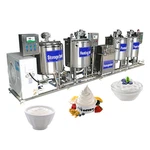
Industrial yogurt production line is a modern and automated production technology adopted in the dairy industry for the production of high-quality yogurt. The production line comprises of milk receiving, pasteurization, homogenization, fermentation, packaging and storage units. The production line is capable of processing different types of milk sources, including cow, goat, sheep, and camel milk.
Canned food sterilizer
Pasteurizing pots are widely used in the food processing industry for pasteurization of food products such as milk, juices, and other beverages. This equipment is essential as it helps to ensure the safety and preservation of the quality of the food products.
Cheese production line
A cheese production line is a set of equipment and machinery used for processing milk into different types of cheese products. This line typically includes machines for milk collection and storage, milk pre-treatment, pasteurization, homogenization, curdling, cutting, cooking, pressing, salting and packaging. The production line can be automated, semi-automated or manual, and can vary in size and capacity depending on the scale of the operation.
UHT sterilizer machine
The entire frame is made of high-quality sus304 stainless steel, and the material contact parts of the pipe fittings are made of sus316 stainless steel. The sterilization temperature is pasteurization and high-temperature sterilization, and can be adjusted according to actual needs. Minimum temperature: 90 ℃, maximum temperature: 153 ℃.
Lab milk homogenizer machine
Lab milk homogenizer machine applys to the liquid materials (liquid - liquid phase or liquid - solid phase) of homogeneous emulsion, the viscosity is lower than 0.2 pa. S, temperature below 80 ℃.
Cheese slice cutting machine
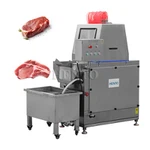
Cheese slice cutting machine refers to a device that cuts steak, pork ribs, cold fresh meat, and other medium to large sized ingredients in the form of slices, segments, and dices through the combination of transmission system and knife and claw movement.
Fresh milk vending machine
The fresh milk vending machine has been gaining popularity as a convenient and cost-effective way of purchasing fresh and high-quality milk. With its ability to provide milk on demand, it has become a popular option for consumers who want to avoid the crowded and often unhygienic supermarkets and grocery stores.
Powder liquid mixer
The powder liquid mixer is an essential tool used in various industries to produce homogeneous mixtures.
What is Industrial Yogurt Production Line?
An industrial yogurt production line is a collection of machines and equipment designed to automate and standardize the process of making yogurt on a large scale. The production line typically consists of various stages, including milk storage, pasteurization, homogenization, and cooling, then adding yogurt cultures and fermenting the mixture, and finally filling and packaging the finished product. The industrial yogurt production line can produce a wide range of yogurt products such as plain or flavored, low fat, high fat, and so on. It is widely used by yogurt manufacturers and food processing companies to increase productivity, reduce labor costs, improve product quality, and ensure consistency in their products.
Characteristic of Industrial Yogurt Production Line
Large production capacity:
Industrial yogurt production lines are designed to produce large quantities of yogurt efficiently.
Automated production processes
The production processes are automated from milk reception to packaging, reducing human error and increasing production efficiency.
Quality control
Industrial yogurt production lines have quality control systems that ensure the production of high-quality yogurt that meets the required standards.
Continuous production
Industrial yogurt production lines are designed for continuous production, ensuring that there is no downtime and maximizing production efficiency.
Sanitary design
The equipment and production line is designed to meet strict sanitary standards reducing the risk of contamination.
Energy-efficient
Industrial yogurt production lines are designed to minimize energy consumption, reducing production costs.
Flexibility
Industrial yogurt production lines are designed to produce different types of yogurt, including low-fat, fat-free, and greek yogurt, among others.
Easy cleaning
The equipment and production line are designed for easy cleaning and maintenance, reducing downtime and increasing production efficiency.
If want to know the steps of making yogurt, you need to understand the whole process. Generally, speaking, the equipment used in the yoghurt production includes storage tank, filter, heating tank, homogenizer, pasteurizer, yogurt machine, and filling machine, cleaning system. And steps are as below:
● Store milk at cold temperatures, filtering impurities.
● The heating tank makes milk stay around 45 degrees Celsius.
● The homogenizer will squeeze and stir the milk to keep the milk taste.
● The pasteurizer adopts a high temperature to kill the bacteria, improving the milk health and safety.
● Add bacteria into the milk according to the different tastes, then ferment the milk.
● Fill the milk into cups or package it into bags based on your demands.
● Clean all pipes after completing the yogurt making process.
Immediate Sterilization at Ultra High Temperature: Industrial Yogurt Production Line
It is a sterilization method in which milk is heated between 135-150 degrees for a period of 4-15 seconds and then suddenly cooled. The destruction time of the bacteria is short and it has a high effect on the destruction of the bacteria. Because all the microorganisms in the milk die, the milk can be stored at room temperature for up to 3 months in this way.
During the heating process, 10%-20% of the b group vitamins and 25% of the c group vitamins are lost. Generally, the higher the heating degree, the greater the nutrient loss. There is a type of whey protein in milk that has high nutritional value. The nature of 10% of this protein changes during pasteurization, this rate is 70% if immediate sterilization is done at a high temperature.
Pasteurization: Industrial Yogurt Production Line
Also known as low-grade sterilization and cold sterilization. This method is to kill the pathogenic bacteria in the milk at a low temperature for a long time and to preserve the prebiotics beneficial to the human body. Generally, the milk is heated between 62-85 °C for 30 minutes. This method kills many types of pathogenic bacteria developed in milk. Sterilization effect reaches up to 97.3%-99.9%. Only some high-temperature resistant bacteria and spores remain after disinfection, but most of these bacteria are lactic acid bacteria and lactic acid bacteria are beneficial as well as harmful to health. The milk is preserved in this way for about 1 week, but it must be refrigerated. The average temperature should be in the range of 2-6 degrees.
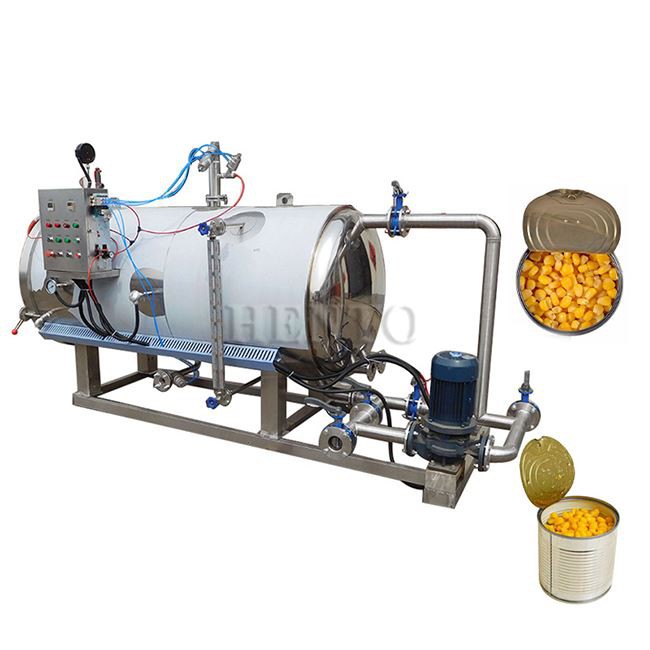
What is Canned Food Sterilizer
A canned food sterilizer is a machine used in the food industry to sterilize canned food products. The machine uses high pressure and heat to kill all microorganisms present in the canned food products, thus ensuring the safety and long shelf life of the products. The sterilization process involves heating the canned food to a specific temperature and pressure for a certain amount of time, which varies depending on the type of food product. Canned food sterilizers are commonly used in processing vegetables, fruits, meats, and seafood.
High temperature
Canned food sterilizers operate at high temperatures ranging from 120°c to 140°c.
High pressure
Sterilization of canned food is achieved through high pressure of steam in the sterilizing chamber ranging from 0.22 to 0.33 mpa.
Retort
Canned food sterilizers are designed like retorts, which are cylindrical or rectangular vessels with a lid that can be sealed tightly.
Material
Canned food sterilizers are usually made of stainless steel, which is corrosion-resistant and can withstand high temperatures.
Automatic control
Modern canned food sterilizers are equipped with automatic control systems that regulate the temperature, pressure, and time required for sterilization.
Heating system
The most common heating system used in canned food sterilizers is steam, although some models may also use electricity.
Quick cooling
After the sterilization process, canned food is quickly cooled to prevent it from overheating or becoming overcooked. This process also helps to improve the shelf life of the canned food.
Safe
Canned food sterilizers are designed to ensure the safety and quality of canned food by eliminating harmful bacteria, microorganisms and toxins.
What is UHT Sterilizer Machine?
UHT (ultra high temperature) sterilizer is a machine that can sterilize liquid food products by heating it at a very high temperature (above 135°c) for a few seconds and then immediately cooling it down, which allows the food to be stored at room temperature for several months without refrigeration. The process is used to extend the shelf life of food products and to eliminate any harmful bacteria present in the food. The machine is commonly used for processing milk, fruit juices, and other liquid food products.
Characteristic of UHT Sterilizer Machine
High temperature: UHT sterilizer machine raises the temperature of the liquid to 135°c for a few seconds.
Aseptic process: The UHT sterilizer machine ensures the aseptic process, which means it sterilizes the product without any contamination through bacteria or other microorganisms.
Continuity: The machine operates efficiently, continuously, and consistently, irrespective of the production demands.
Flexibility: The UHT sterilizer machine is flexible in sterilizing various products such as milk, cream, juice, coffee concentrate, and other liquid beverages.
Innovative technology: The UHT sterilizer machine has advanced technology that enhances the quality of the food product while sterilizing it.
Advanced control system: The machine has an advanced control system to track and monitor the process parameters like temperature, pressure, and time.
Minimal heat loss: Its design reduces heat loss and increases the thermal efficiency of the process.
Energy-saving: The UHT sterilization process is a quick process that requires minimal energy consumption, making it energy-efficient.
High-quality output: The UHT sterilizer machine guarantees high-quality outputs in terms of taste, texture, color, and aroma of the product while also increasing its shelf-life.
Robust and durable: The UHT sterilizer machine is robust and long-lasting, and requires minimal maintenance.
The working principle of the UHT sterilizer machine is to use steam to heat room temperature water to superheat hot water through the plate heat exchanger, and then use superheated water to heat the material between walls, heat it to the specified temperature and keep it warm, the holding time is usually a few seconds, and then cool down or directly enter the next process according to the requirements. The cooling method is generally carried out in two steps: The first step is to use the material to preheat the feed, and the second step is to use ice water to further cool the material, and then enter the next process.
Whether the sterilization temperature can meet the design requirements is related to the calculation of the heat exchange area at each stage of the sterilization process. The calculation of the heat exchange area of this plate sterilizer includes two parts, one is the material preheating section and the other is the material sterilization section. Whether the UHT sterilizer machine can achieve the effect, the most critical influencing factor is whether the heat exchange area, that is, the preheating area and sterilization area, is sufficient and whether the control is reasonable and accurate. Secondly, production must be carried out in strict accordance with automatic operating procedures, otherwise, it is difficult to meet production needs.
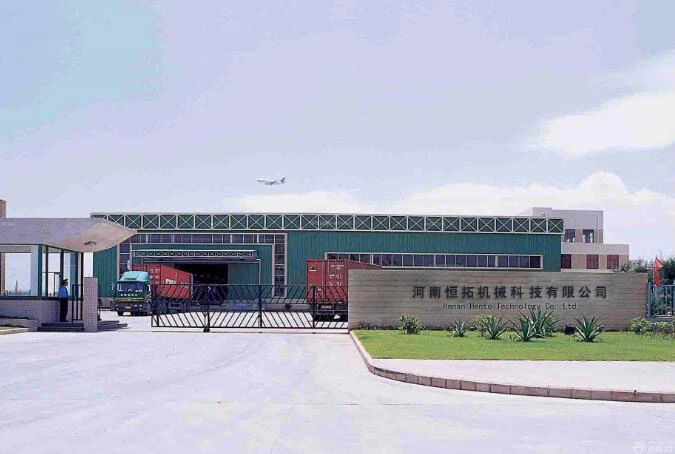
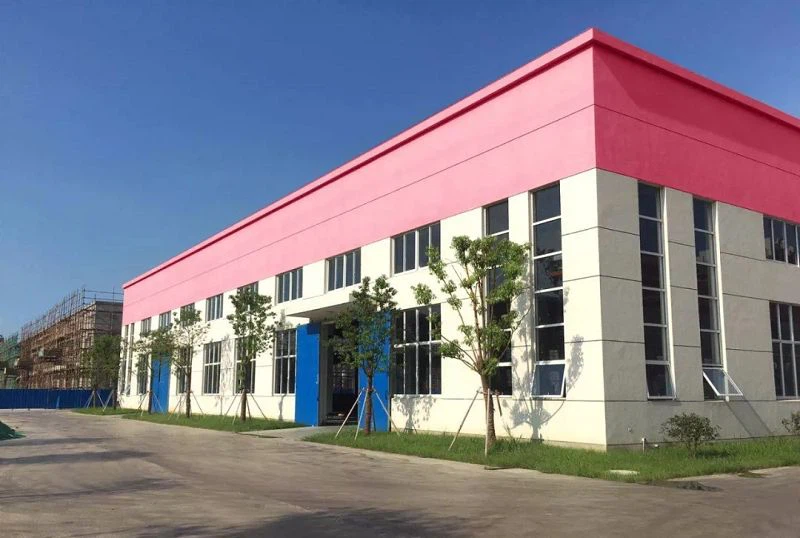
Our Factory
Hento Group is a technology-based enterprise focusing on the research and development, production and sales of food machinery. The Group currently mainly has three members, Zhengzhou Hento Machinery company, Zhengzhou Honest Machinery Company and Henan Hento Technology Company.
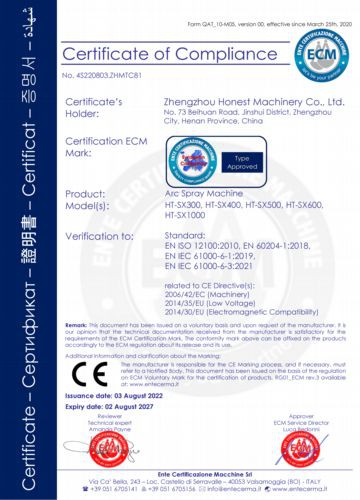
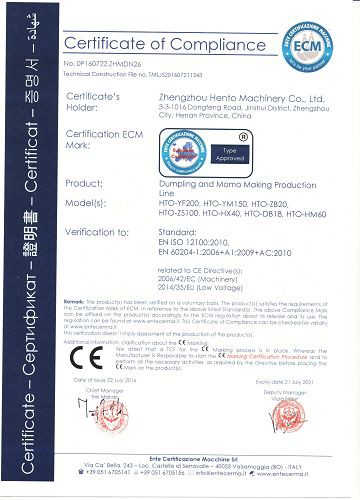
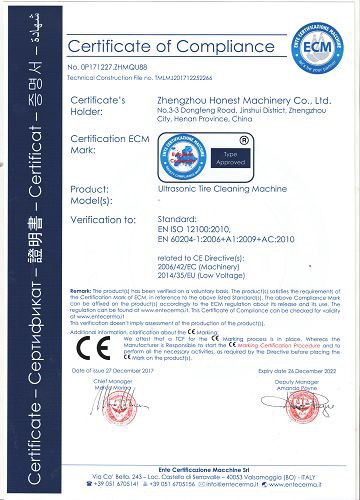
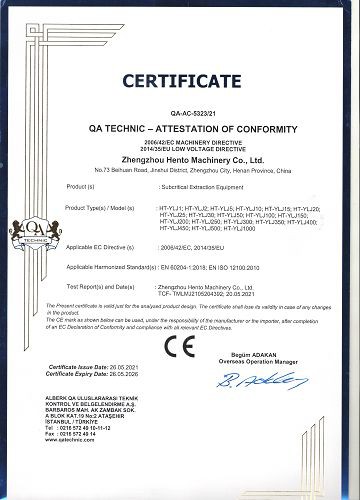
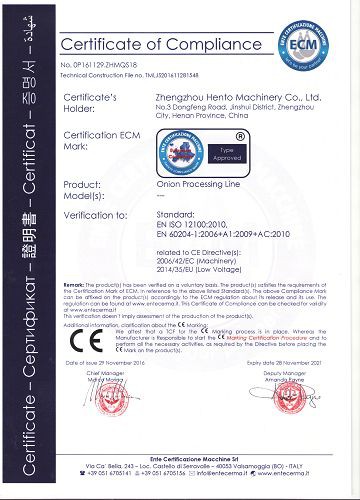
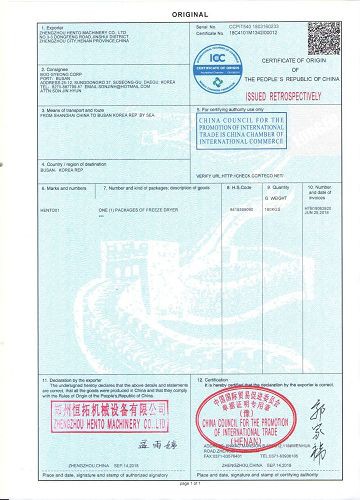
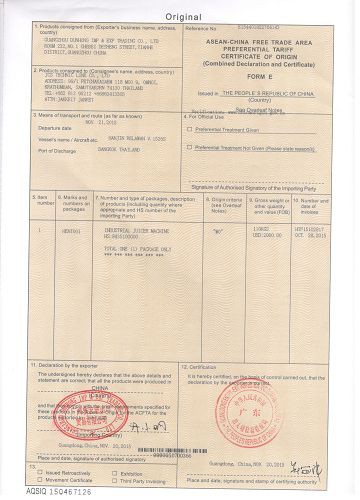
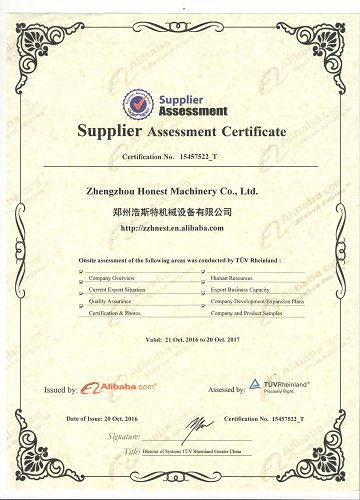
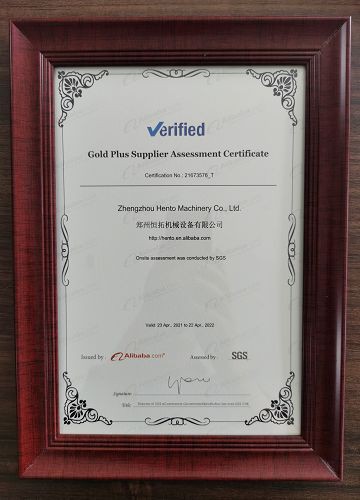
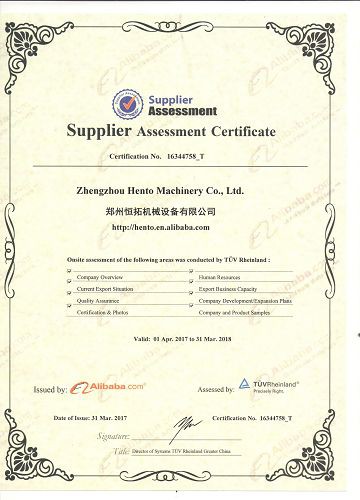
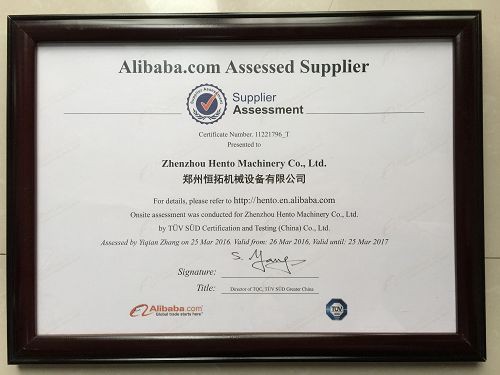
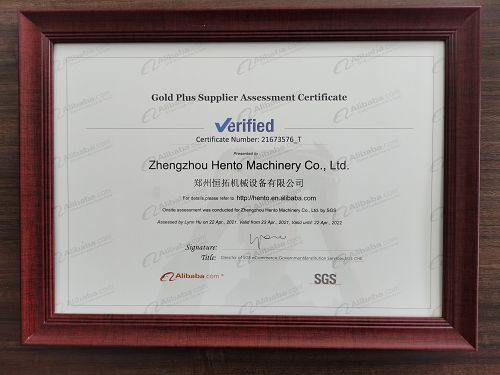
Our Certificate
FAQ
Q: What is the production line of yogurt?
Q: What is the method of industrial production of yogurt?
Q: What is the difference between UHT and sterilize?
Q: What is the working principle of UHT sterilizer?
Q: Can bacteria grow on UHT milk?
Q: Is UHT milk healthier than fresh milk?
Q: Why is milk pasteurized and not sterilized?
Q: What is a cheese production line?
Q: What are the different types of cheese production lines?
Q: What equipment is required for a cheese production line?
Q: How long does it take to produce cheese on a cheese production line?
Q: What are some common challenges in cheese production?
Q: What are some trends in cheese production?
Q: What are the disadvantages of using a UHT sterilizer machine?
Q: What are the advantages of using a UHT sterilizer machine?
Q: How does a UHT sterilizer machine work?
Q: What is a UHT sterilizer machine?
Q: What is UHT sterilization?
Q: Why do we prefer UHT on pasteurization?
Q: Why is UHT milk popular in Europe?