


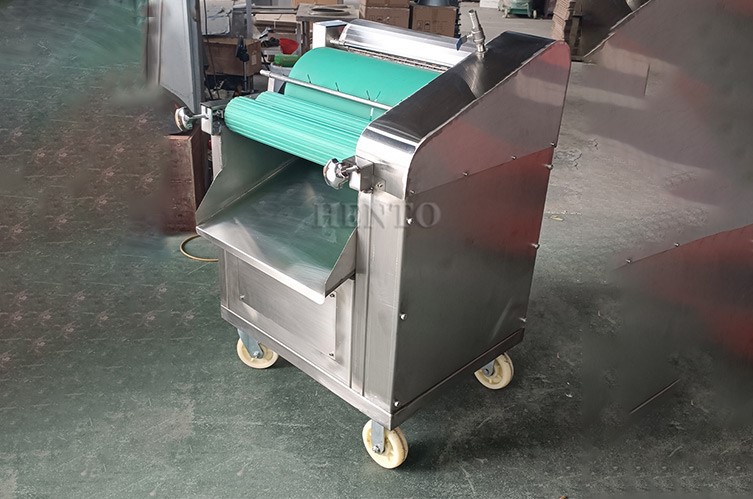
Working principle:
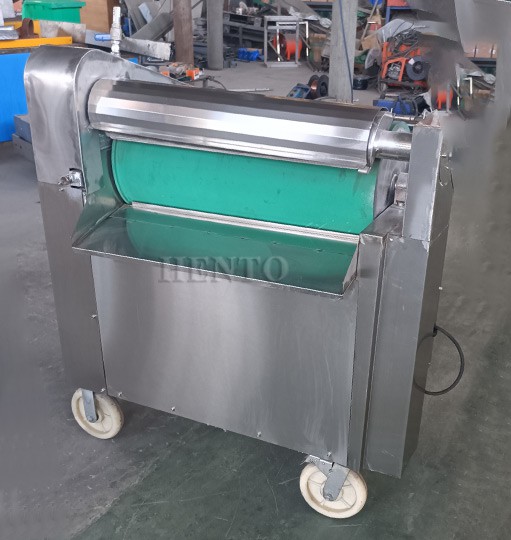
The scraping intestinal machine is adjacent to the large rubber roller and located diagonally above it, with a gap between them. By simply feeding the small intestine of pigs and sheep into the gap between the large rubber roller and scraper, as well as the gap between the two small rubber rollers, reliable quality casings can be processed.
mucosa of pig intestines:
It is recommended to scrape off the mucosa of pig intestines. The core reason is to balance food safety, taste, and hygiene. Specific details can be explained from the following points:
Learn more >
Remove impurities and odor Sources:Pig intestines are organs of the digestive system, and the mucosal surface is prone to residual digestive fluids, food residues, mucus, and even small amounts of bacteria (such as Escherichia coli, Salmonella, etc.) that have not been cleaned thoroughly. These substances are the main source of the "fishy smell" and "peculiar odor" in pig intestines. After using a scraping intestinal machine to scrape off the mucosa, we can reduce the odor at the roots, making it easier to remove odors during subsequent cooking.
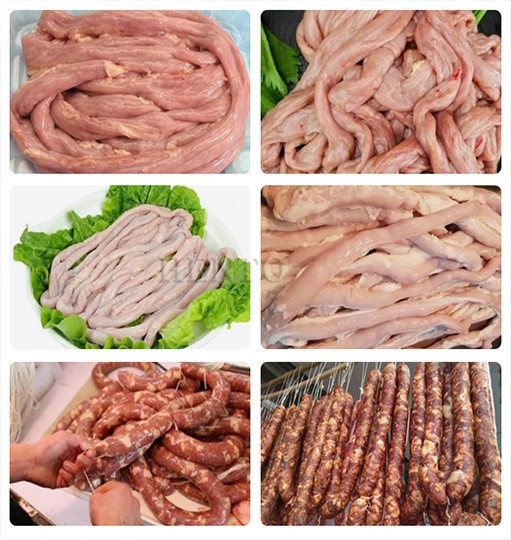
Improve taste and avoid stickiness:
The texture of raw intestinal mucosa is soft and slippery. If it is not removed after cooking, it will make the pig intestine taste sticky and greasy, especially when making stir fried, braised and other dishes, which will affect the "crispy and tender" or "chewy" taste; After using a scraping intestinal machine to scrape off the mucosa, the meat of pig intestines becomes harder and tastes fresher after cooking.
Reduce residual risk:
The mucosal layer may adsorb small amounts of feed residues, metabolic waste, etc. Although the risk is lower after thorough cleaning, scraping off the mucosa can further reduce food safety hazards, especially for people with gastrointestinal sensitivity who are more friendly.


