


Introduction of Wet Sandblasting Equipment
A wet sandblasting equipment uses compressed air as its power source. The high-speed airflow creates negative pressure within the blasting gun, drawing abrasive material through the feed pipe and ejecting it from the nozzle. A water pump draws water into the blasting gun, which is then sprayed onto the surface being processed to achieve the desired machining effect. In wet sandblasting equipment, compressed air serves as both the power source for feeding the abrasive material and the acceleration power for the jet.
Applications of Wet Sandblasting Equipment
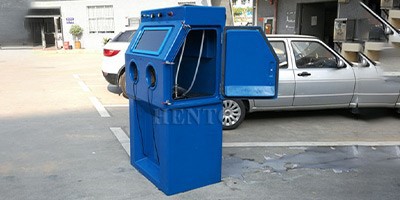
Mold cleaning:
Used for cleaning the surface of molds without damaging the mold surface, ensuring mold precision and improving product quality.
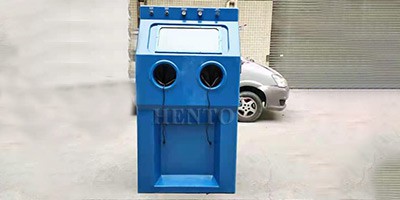
Workpiece pretreatment:
Surface treatment before electroplating, spraying, and other processes to improve the adhesion of coatings.
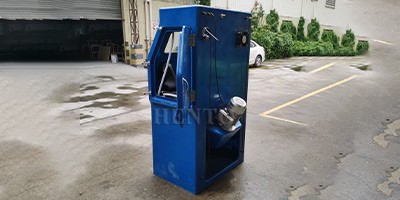
Refurbishment and finishing:
Used for refurbishing old parts and finishing parts, achieving a smooth and uniform surface effect.
Features of Wet Sandblasting Equipment
1. Advanced design, easy operation, and superior quality and stability compared to others in the industry;
2. Automatic sand recovery; advanced cyclone separation system automatically separates sand and dust, resulting in low consumable consumption and significantly reduced operating costs;
3. Small footprint of Wet Sandblasting Equipment;
4. High-quality main components for long service life; wear parts adopt market standard types;
5. User-friendly design; quick and convenient maintenance of all components;
Applications
Surface finishing, scratch removal, roughness improvement, and cleaning of various plastics, handicrafts, and hardware decorations; descaling and rust removal of castings, stampings, and heat-treated parts; parts refurbishment; polishing and matte finishing; all metal products;Surface treatment of glass, plastic handicrafts, jewelry, glasses, and watches use Wet Sandblasting Equipment.
After-sales service: We provide comprehensive after-sales service, including equipment installation and commissioning, operation training, regular follow-up visits, and repair and replacement during the warranty period.


