


Working principle of Microwave extraction equipment
internal heating
Unlike traditional heating (which involves heat transfer from the outside to the inside), microwave heating is "internal heating".
Cell wall rupture
The polar substances in the cells inside the material rapidly heat up under the action of microwaves, causing a sudden increase in internal pressure, leading to the rupture of cell walls/membranes.
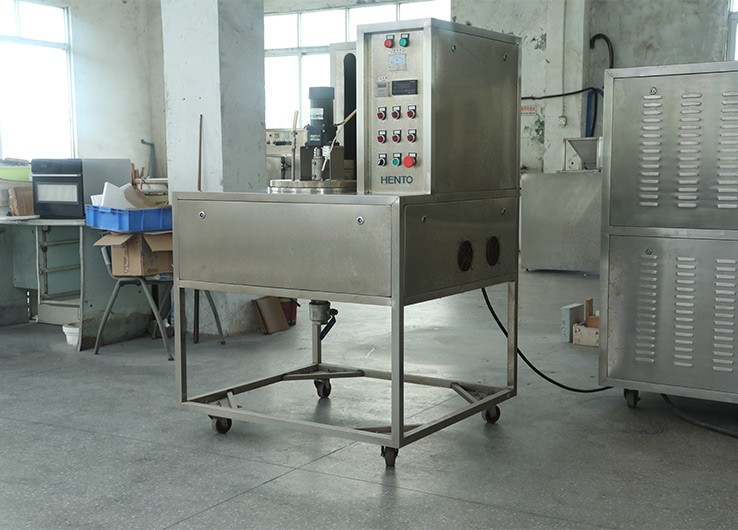
Selective heating
Microwave energy directly acts on the polar molecules inside the material (such as solvent molecules like water, methanol, and ethanol), causing them to vibrate at high speed and generate heat through friction.
Efficient dissolution
Under high temperature and pressure, the target components are rapidly dissolved and released by the surrounding solvent through the ruptured cell structures.
Applications of Microwave extraction equipment
1. Food industry.
2. Extraction of traditional Chinese medicine and natural products.
3. Environmental analysis.
4. Chemistry and chemical engineering.
5. Pharmaceutical and biological sample analysis.
6. Quality control and inspection.
Advantages
It usually takes only a few minutes to tens of minutes, while traditional Soxhlet extraction or maceration takes several hours or even days.
High efficiency:
Microwave heating is internal heating, directly acting on polar molecules, with strong penetration and high extraction rate.
Low solvent consumption:
It usually requires only 10%-50% of the solvent used in traditional methods, making it more environmentally friendly and economical.
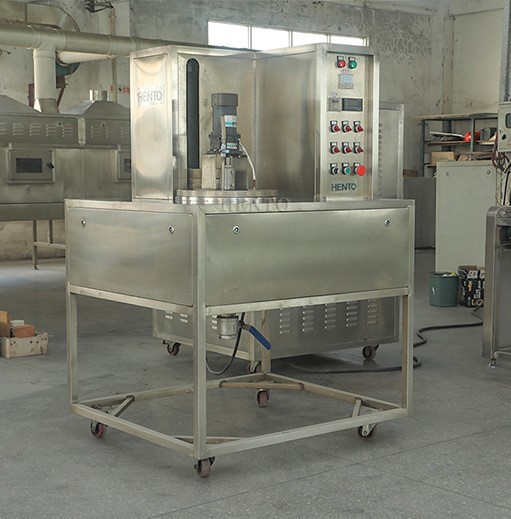
Good selectivity:
By adjusting the solvent, power, and temperature, target components can be selectively heated and extracted.
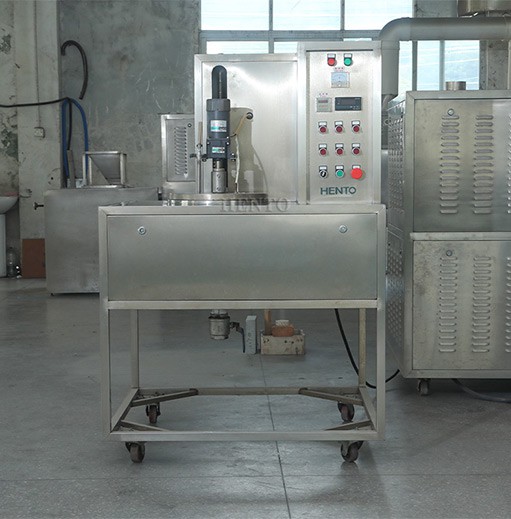
Easy to automate:
Modern microwave extraction instruments are often combined with subsequent steps such as filtration, cooling, and volume adjustment to achieve automation and reduce human error.
In summary
Microwave extraction equipment, with its outstanding advantages such as fast speed (a few minutes to tens of minutes), low solvent consumption, high extraction efficiency, and high degree of automation, has become one of the indispensable key pieces of equipment in modern analytical laboratories, research and development centers, and quality control departments, representing the direction of efficient and environmentally friendly sample pretreatment technology.


